

FAQs About Hazardous Tree Removal in Dallas, TX
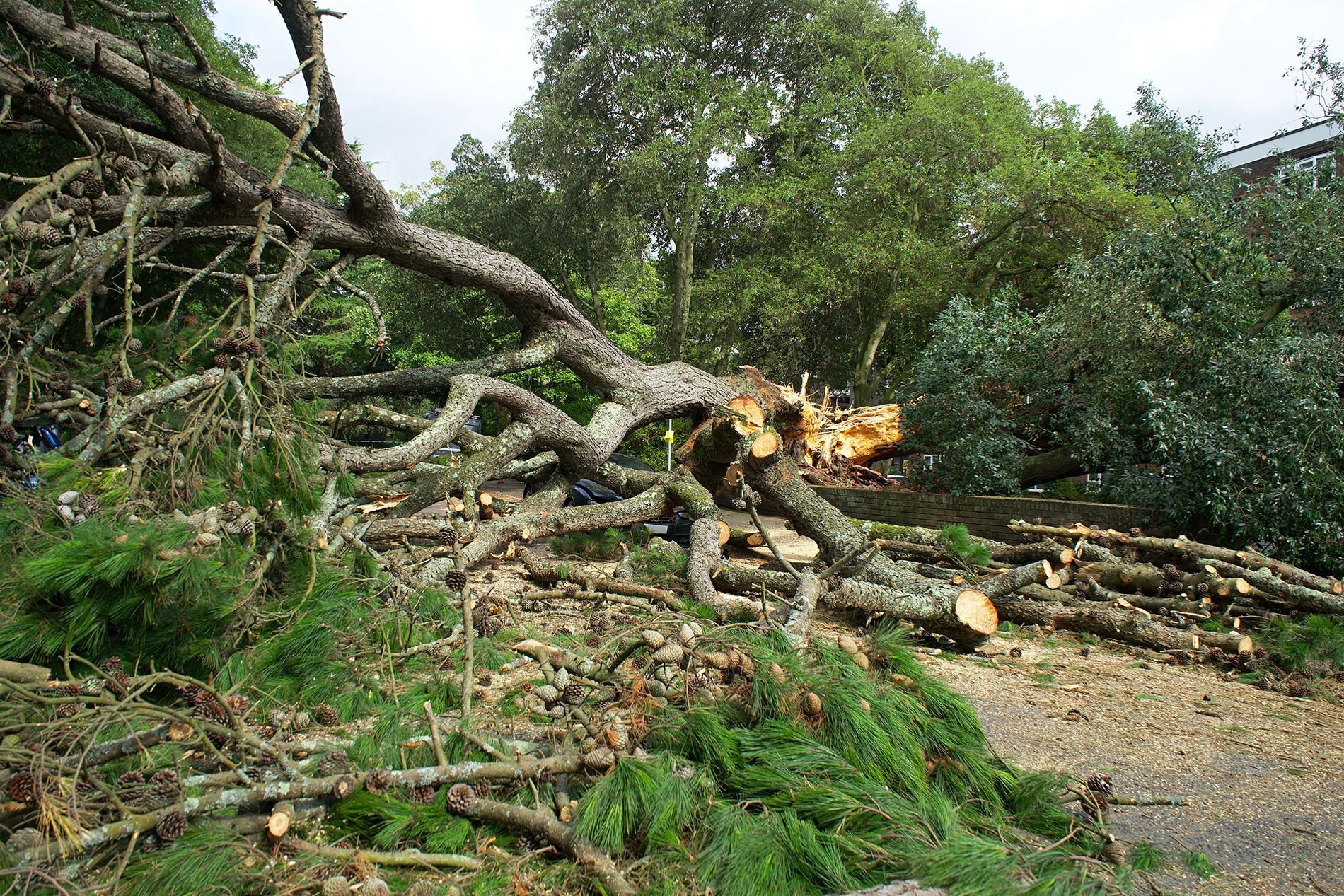
A damaged, diseased, or unstable tree can become a very serious hazard. Trees that are leaning, decaying, or located near homes or other structures may require prompt professional attention. Hazardous tree removal is a complex job that requires careful planning, specialized equipment, and knowledge of tree structure. If there’s a hazardous tree on your property, there’s a good chance you have questions about the removal process. At J P Tree Services, we’re happy to answer your questions about hazardous tree removal in the greater Dallas area.
What Makes a Tree Hazardous?
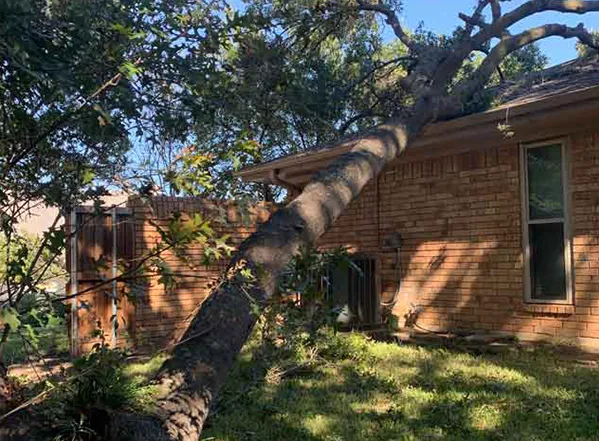
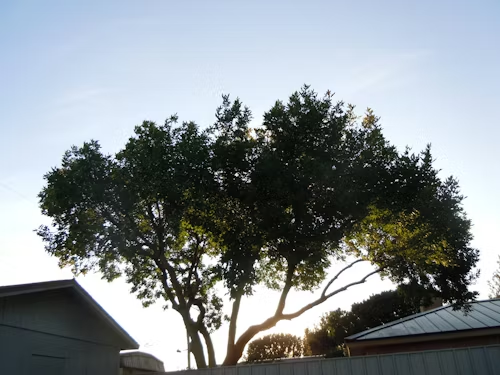
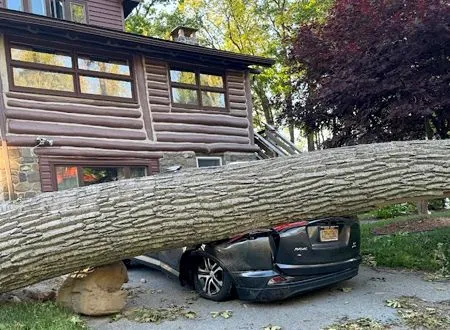
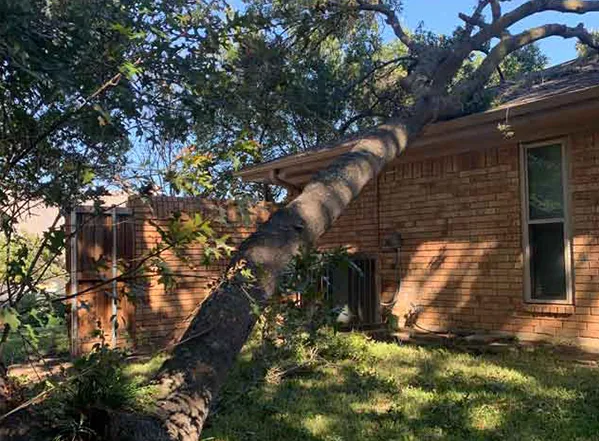
A tree may be considered hazardous when its condition creates a significant risk of falling or dropping branches. Common warning signs include major cracks, extensive decay, dead branches, root damage, severe leaning, or visible structural instability. Trees damaged by storms may also become hazardous. Because some problems are difficult to identify from the ground, a professional assessment can help determine whether a tree poses a safety concern.
Why Should Hazardous Trees Be Removed Professionally?
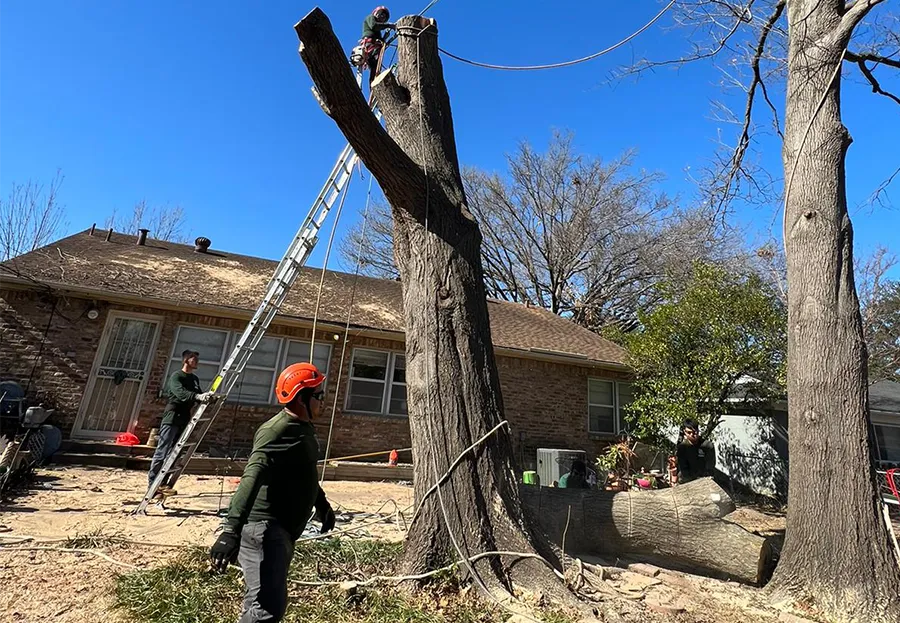
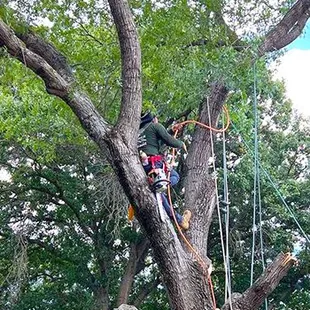
Removing a hazardous tree can be dangerous, particularly when the tree is large, unstable, or located close to structures and utility lines. Professional tree removal specialists have the training, equipment, and experience needed to safely manage these situations. They can evaluate the tree, plan how it should be removed, and take precautions to minimize any risks.
What Happens During Hazardous Tree Removal?
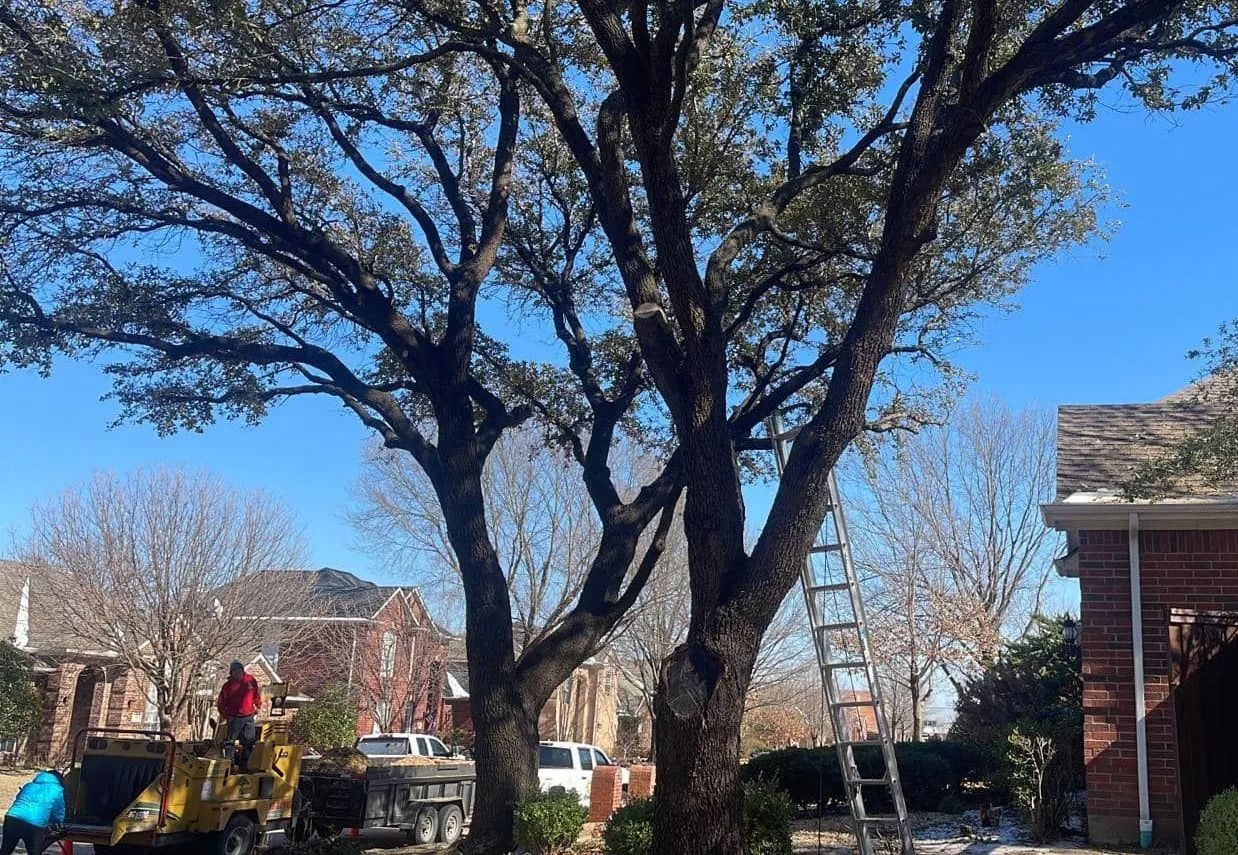
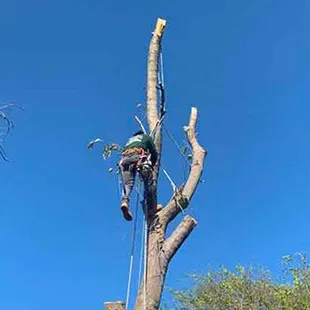
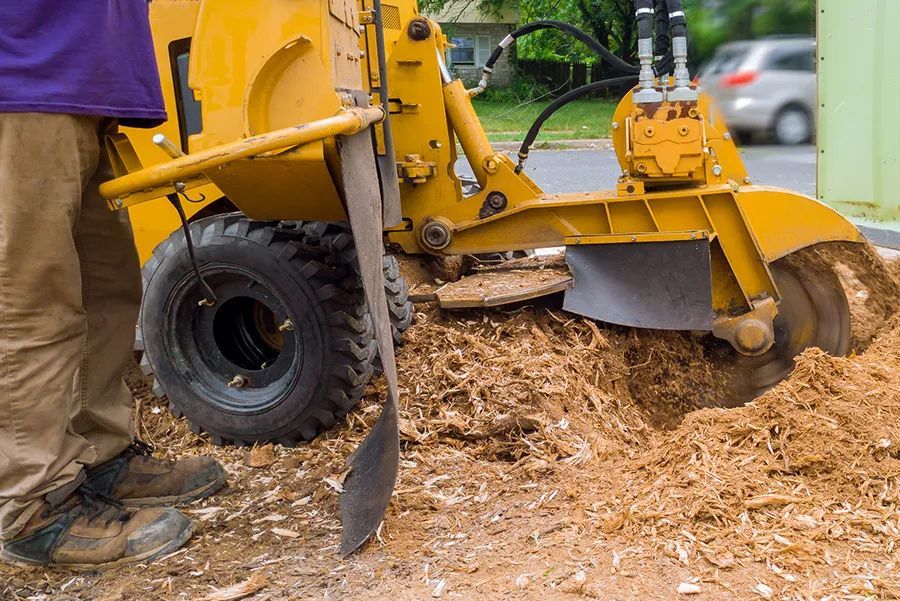
Professional removal typically begins with an assessment of the tree and surrounding area. The crew considers the tree's size, condition, lean, nearby structures, and potential fall paths before developing a removal plan. Depending on the situation, controlled cutting techniques may be used to lower sections of the tree safely rather than allowing them to fall freely.
Should Hazardous Tree Removal Be Scheduled Quickly?
If a tree presents an immediate safety concern, delaying service can increase the potential for property damage or injury. This is particularly important after severe weather, when trees may have damaged roots or weakened trunks. If you believe a tree has become hazardous, contacting a professional promptly can help determine the safest course of action.
Where Can I Find Hazardous Tree Removal in Dallas, TX?
For
expert hazardous tree removal in Dallasand the surrounding area, contact
J P Tree Services at
(945) 235-2029. We provide residential and commercial arborist services in greater Dallas. Feel free to give us a call to
schedule an arborist estimate in greater Dallas, TX!