

Common Warning Signs a Tree Is Creating a Safety Risk
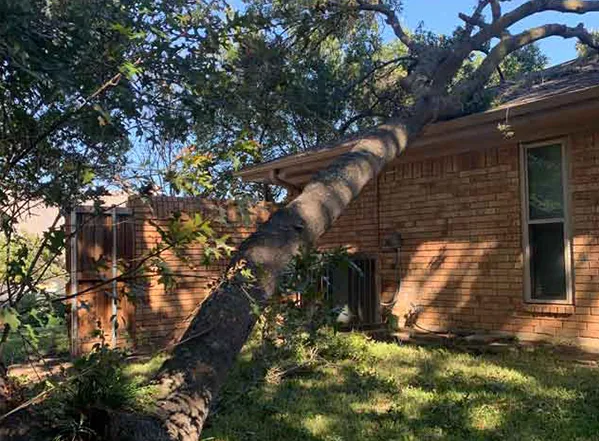
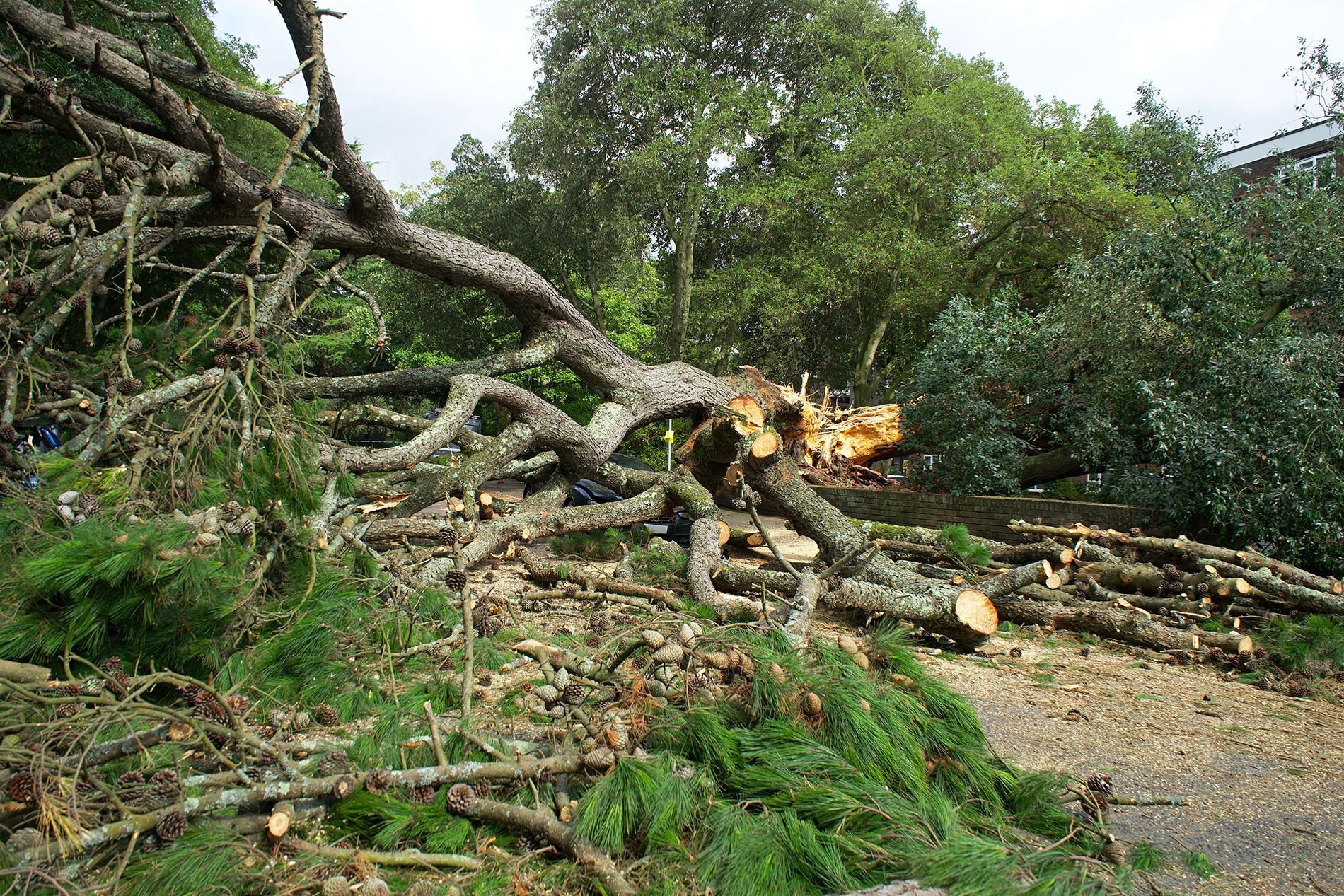
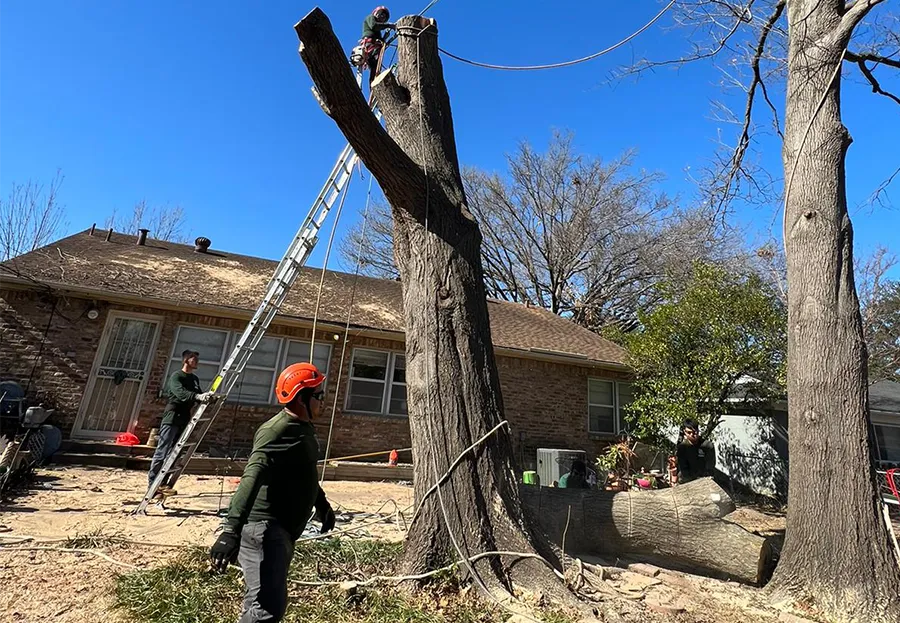
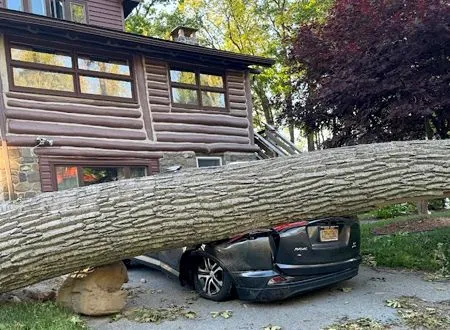
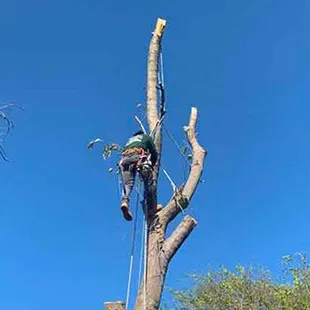
When large trees become unhealthy or unstable, they can pose serious safety hazards. A compromised tree can fail without warning, causing damage to structures and vehicles, or even injuring people. Knowing the warning signs of a dangerous tree allows property owners to take action before an accident occurs. At J P Tree Services, we can determine if your big tree is posing a safety hazard and then expertly remove it if necessary. Here are four warning signs that your big tree is creating a safety risk.
Dead or Falling Branches
One of the most obvious signs that a tree may be dangerous is the presence of large dead branches. These limbs are often brittle and weak, making them more likely to break off during strong winds or storms. Falling branches can cause serious injury or significant property damage, especially if the tree is near a home, driveway, or frequently used outdoor area. Regular inspection can help identify deadwood before it becomes a greater hazard.
Splits in the Trunk
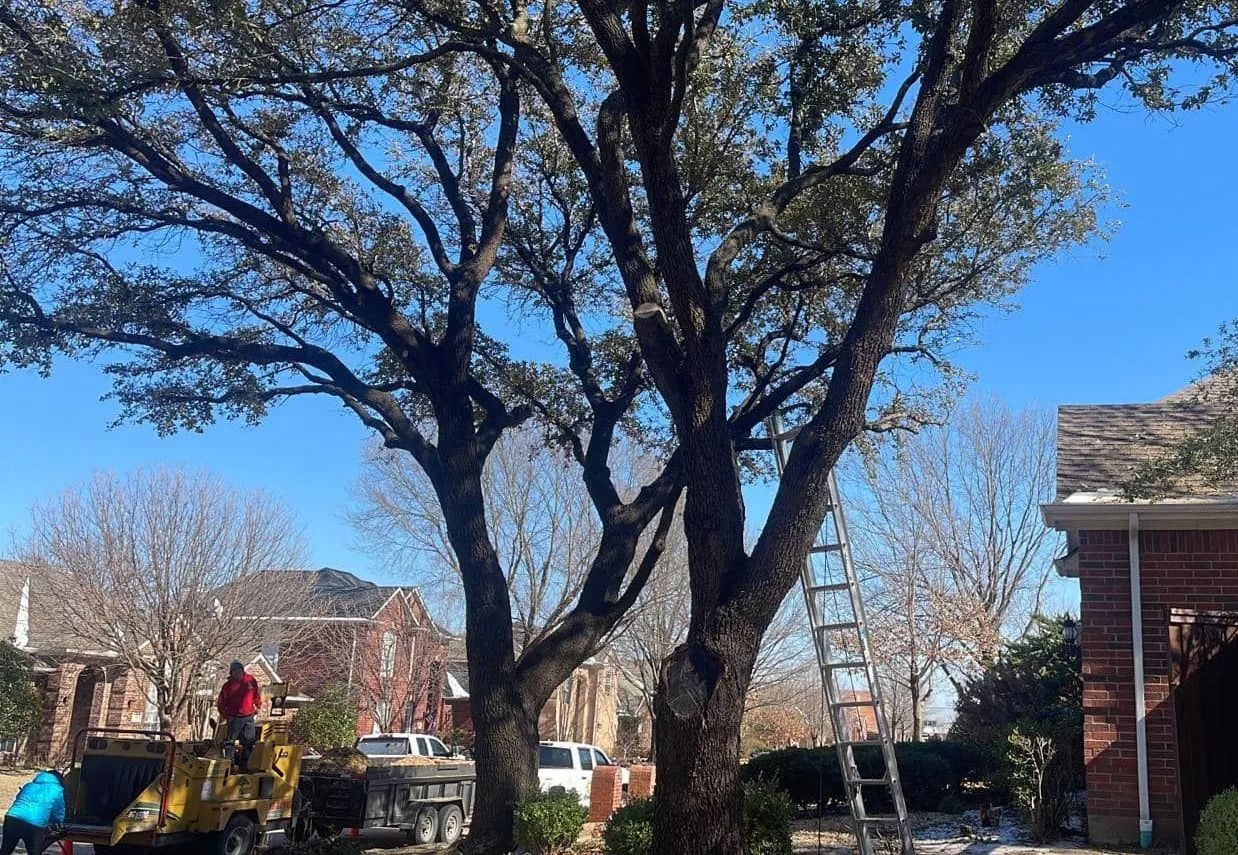
Splits in the trunk are strong indications of structural weakness. These openings can worsen over time, particularly after severe weather. A split trunk may no longer be able to support the tree’s full weight, increasing the risk of sudden failure. Even small cracks can signal internal decay, making professional evaluation important.
Leaning or Shifting Position
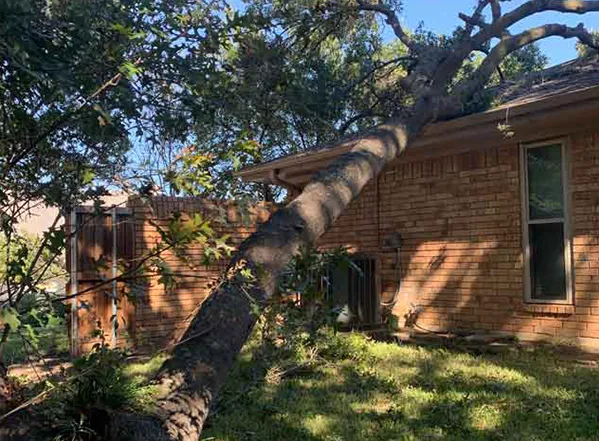
While some trees naturally grow at a slight angle, a sudden or increasing lean is a serious warning sign. This can indicate root damage, soil instability, or structural imbalance. Trees that begin to tilt after storms or heavy rainfall may have compromised root systems and are more likely to topple. A leaning tree, especially one aimed toward buildings or walkways, should be assessed promptly.
Root Damage/Soil Heaving
The root system plays a vital role in anchoring a tree. Exposed, damaged, or decaying roots can significantly reduce stability. In some cases, you may notice soil lifting or cracking around the base of the tree, which suggests that roots are failing to hold it in place. Root damage can result from construction, erosion, or disease, and it often leads to sudden tree failure if not addressed.
Tree Removal in Dallas
For expert
tree removal in Dallas
and the surrounding area, contact J P Tree Services at
(945) 235-2029. Feel free to give us a call to ask for an arborist estimate in Dallas, TX!